The Kumano Kodō (熊野古道) is a series of ancient pilgrimage routes that crisscross the Kii Hantō, the largest peninsula of Japan.
The focus of the pilgrimage is to lead to Kumano Sanzan, the three grand shrines of Kumano: Hongu-taisha, Hayatama-taisha, Nachi-taisha.
I chose to focus on the Nakahechi route, from Tanabe City to Kii-Katsura, and then I continued up to Ise to visit the Ise Grand Shine, one of Shinto’s holiest and most important sites.
My partner in this adventure was my friend Massimo, and we alternated bus trips with exhausting walks, great food with hot bathing, cold sake with sacred spots and natural beauty along the way.
Here are best snapshots of my walks. All of the photos were taken using natural light, with my Canon Powershot G9X Mark II (unless specified otherwise, eg: “iPhone shots”).
When: May 2019

Leaving Tanabe City for Hongu Area. Nobody on the bus. Starting to feel out of the modern world. 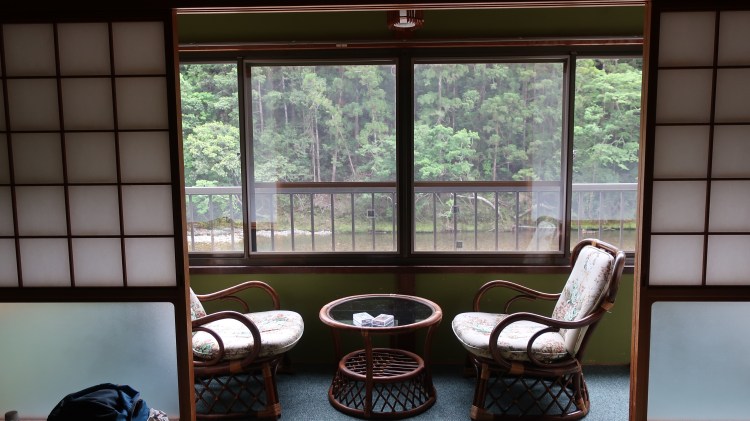
One day of relax to Kawayu Onsen before our walk. 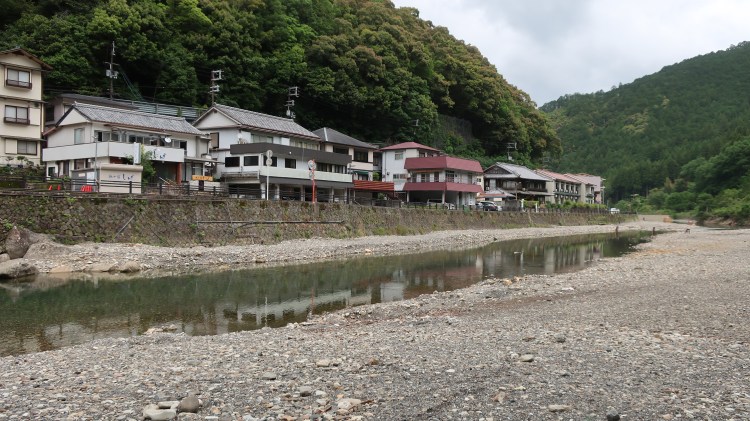
Kawayu Onsen River. 
One of the few minshuku on the north side of the river. 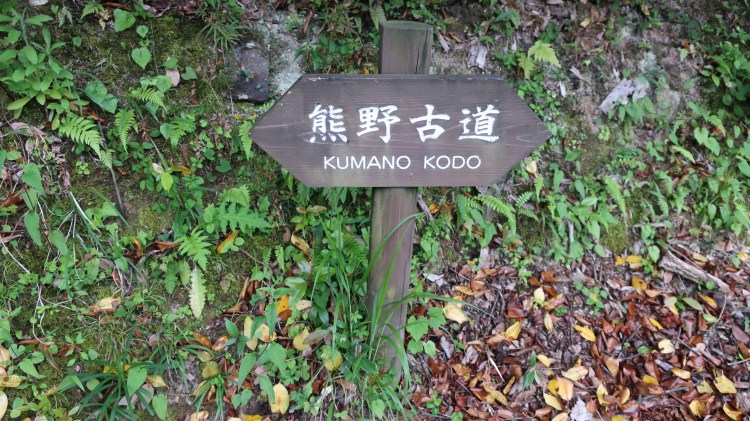
We started our walk: from Hosshinmon-oji to Kumano Hongu Taisha shrine, and then to Yunomine Onsen. 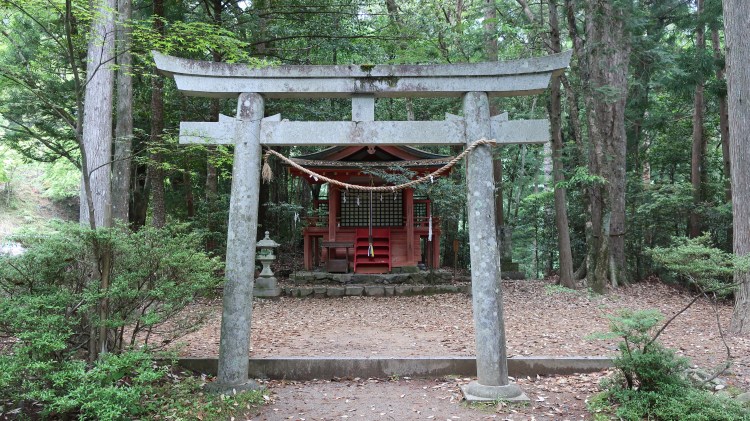
Our first Torii surrounded by giant cedar and cypress trees. 
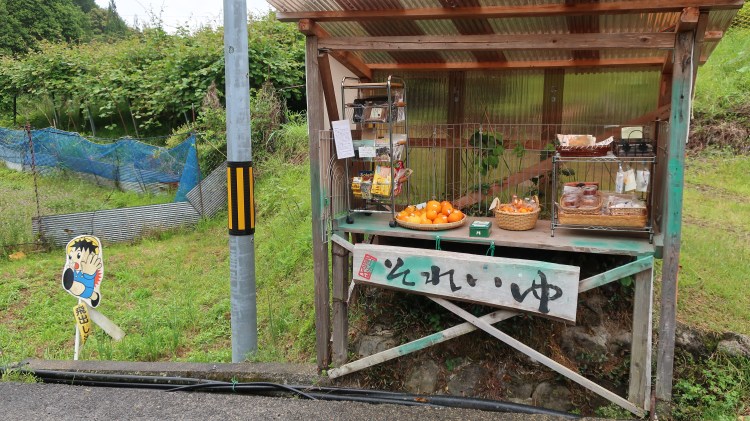
Organic mandarins and comfort items for pilgrims from the local farmers.
The best thing: nobody around; you choose the desired item and pay leaving the money in the box.
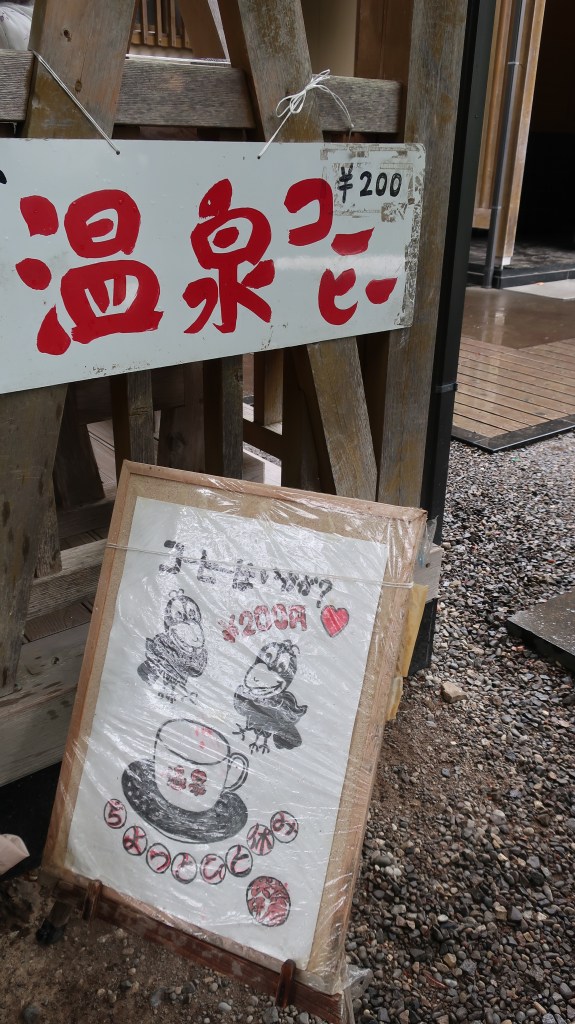
Coffe break in the middle of nowhere. 
At a certain point of the walk, we finally had the chance to spot the largest Torii shrine gate in the world (33.9 meters tall and 42 meters wide), that signifies the entrance to a sacred area. 
The symbol of Kumano is Yatagarasu, the three-legged crow.
The three legs of the sacred crow represent heaven, earth and mankind.
Kumano Hongu Taisha. 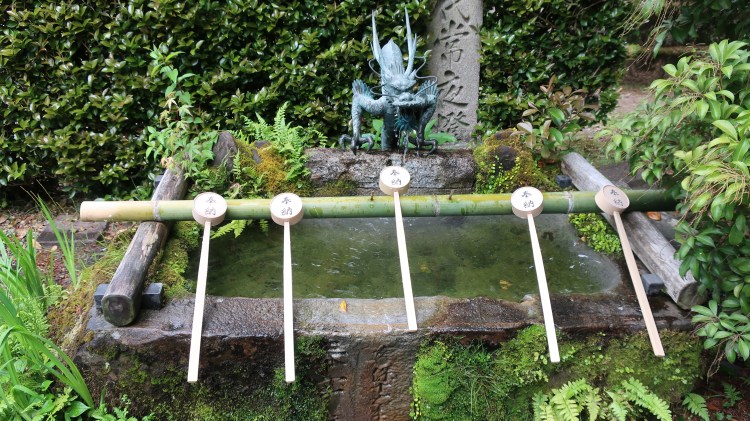
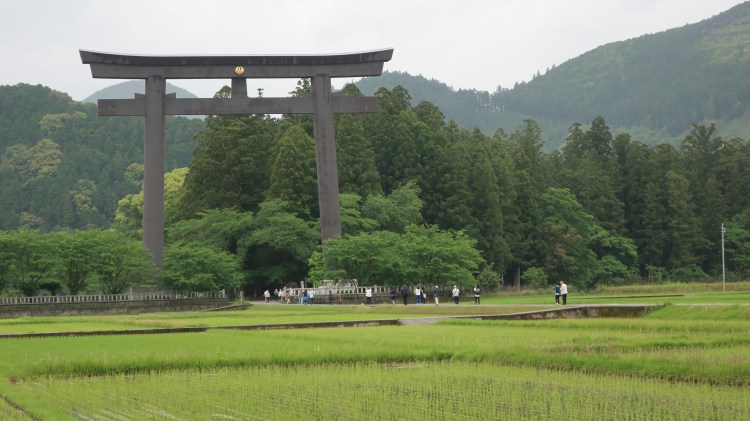
This Torii is called Otorii (“o” means “big”). 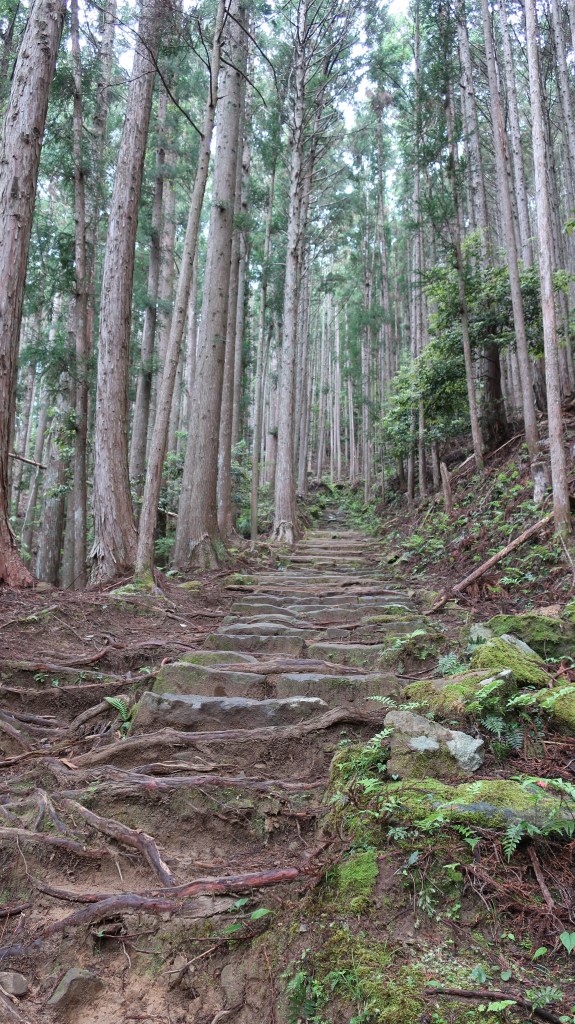
Infinite steep trail to arrive in our village. 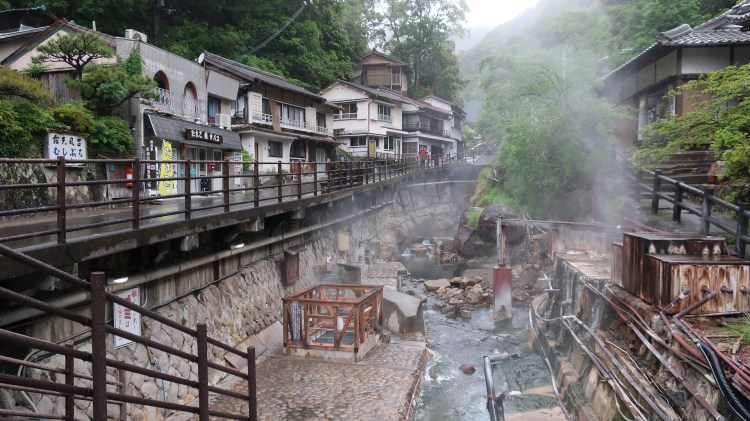
Yunomine Onsen is a small village in the heart of Nakahechi route.
It is one of the oldest hot springs in Japan, in the middle of the sacred mountains of Kumano Kodo.
Hot water is used by pilgrims for purification rituals, to rest after a long walk, and to cook food!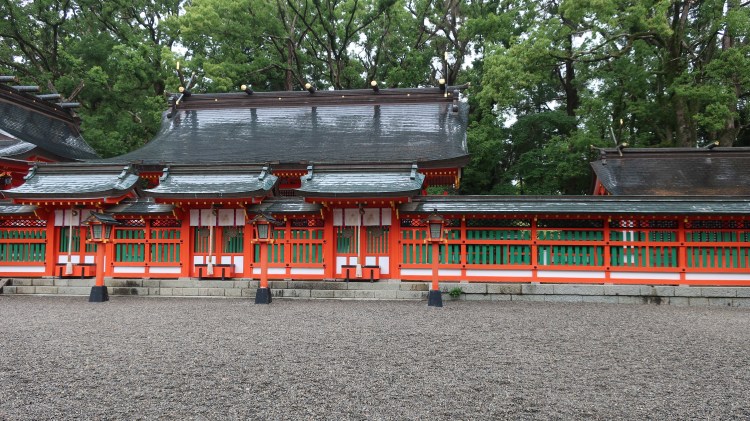
Kumano Hayatama Taisha, at the mouth of the Kumano-gawa River. 
Steps, steps, steps in the Gongen Mountain. 
Kamikura-jinja is a shrine at the base of Gotobiki-iwa, a gigantic rock consider as a deity. 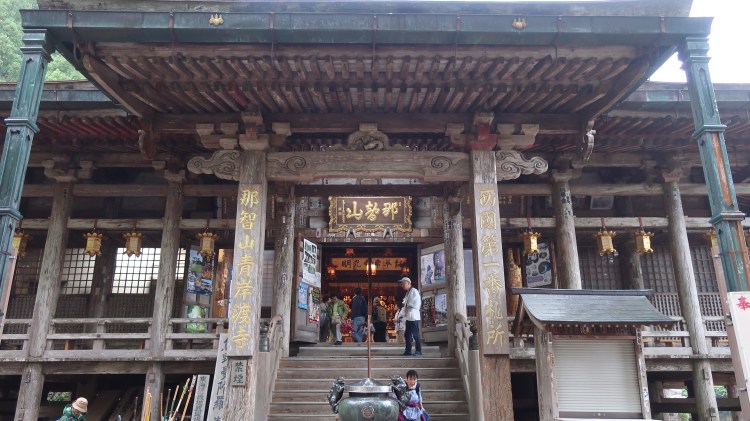
Seiganto-ji, buddhist temple close to Kumano Nachi Taisha. 

Kumano Nachi Taisha. 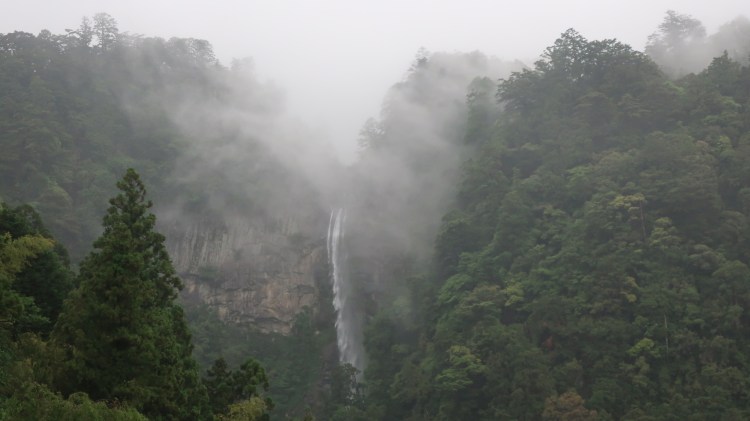
Nachi-no-Otaki, the tallest waterfall in Japan. 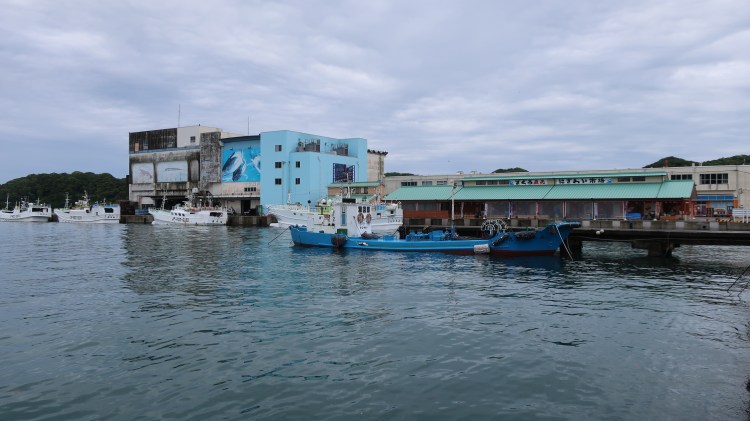
We ended the Nakahechi route in Kii Katsuura, a small city on the coast with a long tuna fishing tradition. 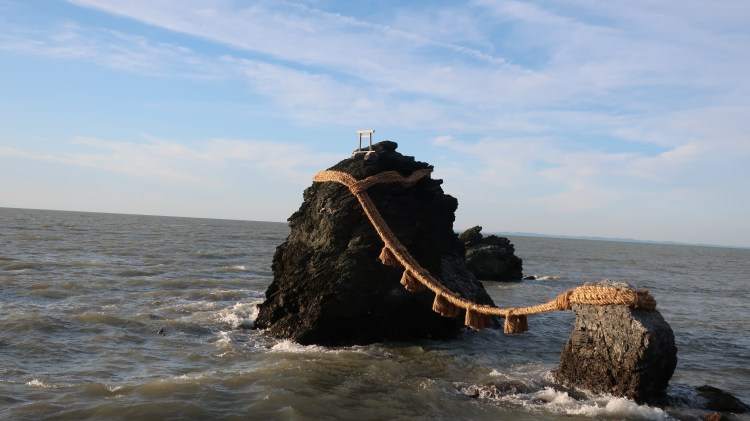
We finished our trip in Ise. Near to the city, there are two rocks in the sea: Meoto Iwa (夫婦岩), or Married Couple Rocks.
They are joined by a rope of rice straw (shimenawa).
According to Shinto, the rocks represent the union of the creator of kami, Izanagi and Izanami.
Food snapshots
taken with an iPhone 7 Plus
1 
2 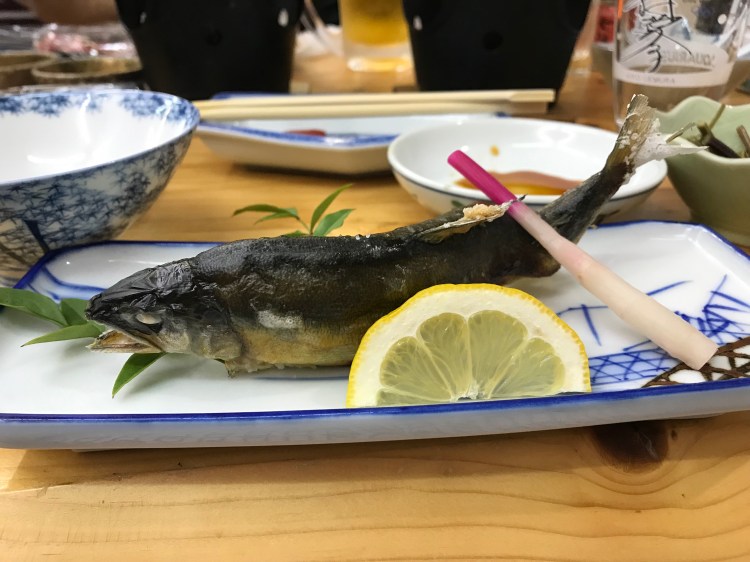
3 
4 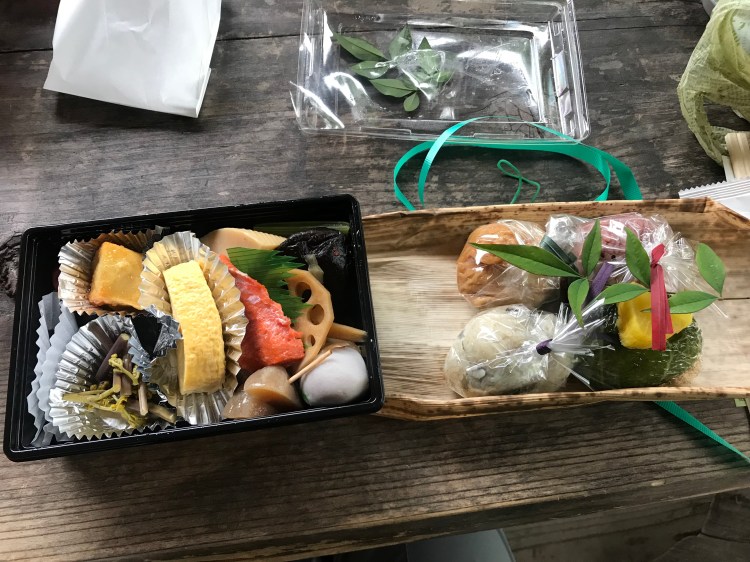
5 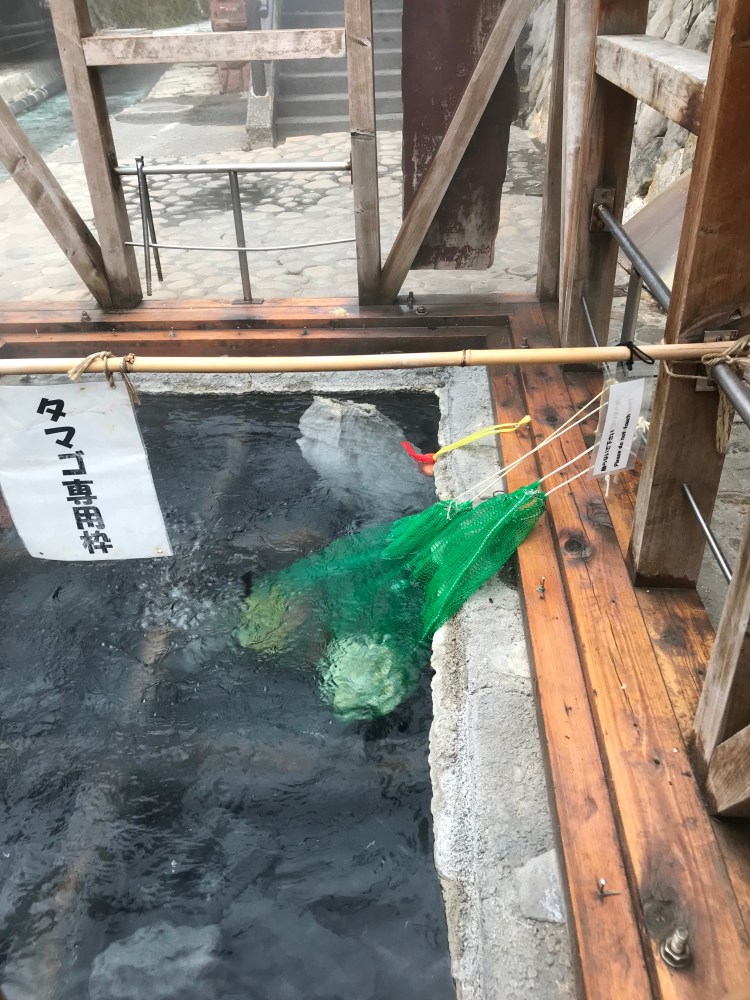
6 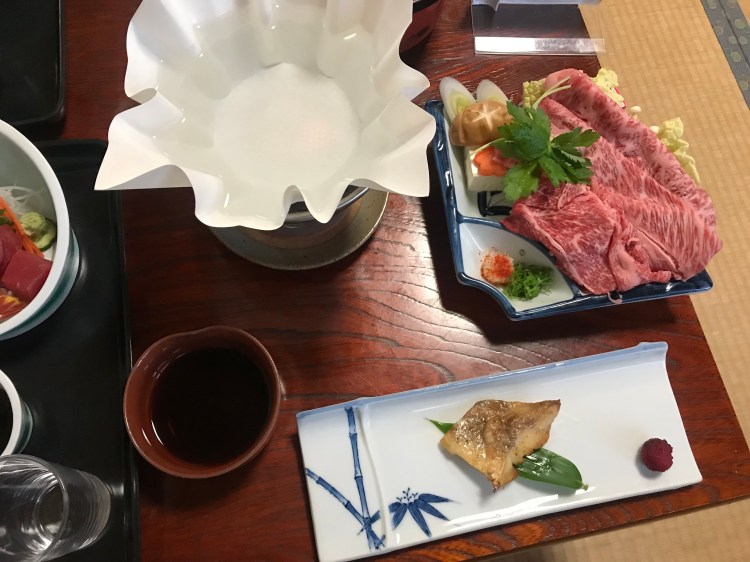
7 
8 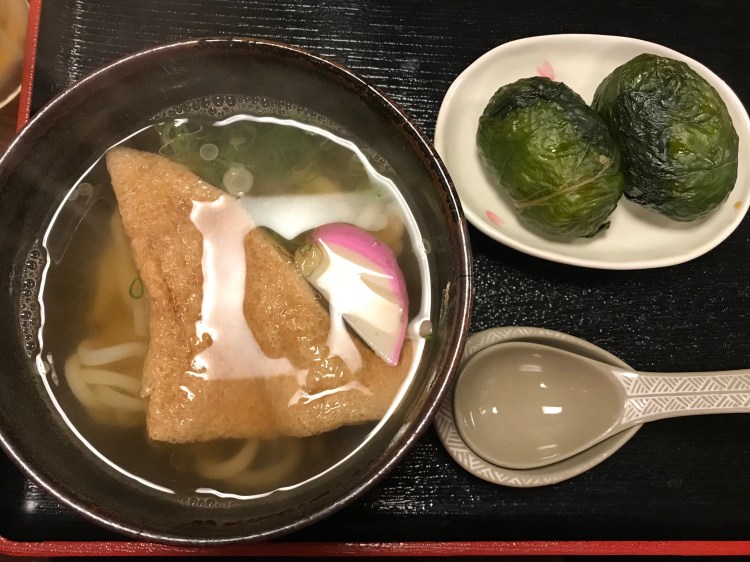
9 
10 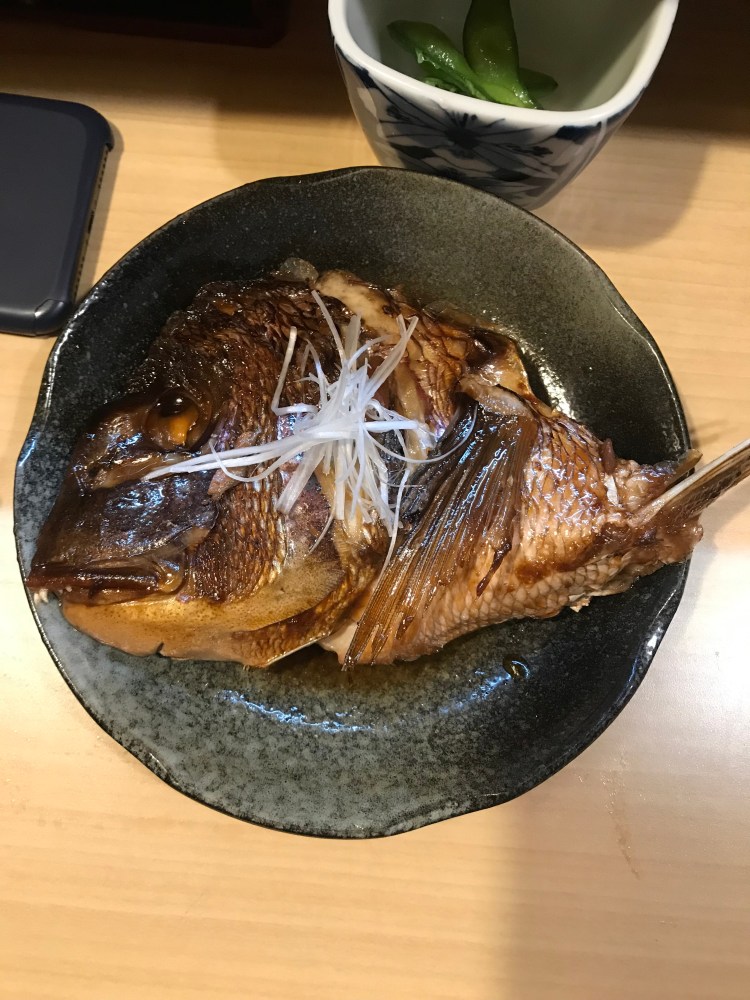
11
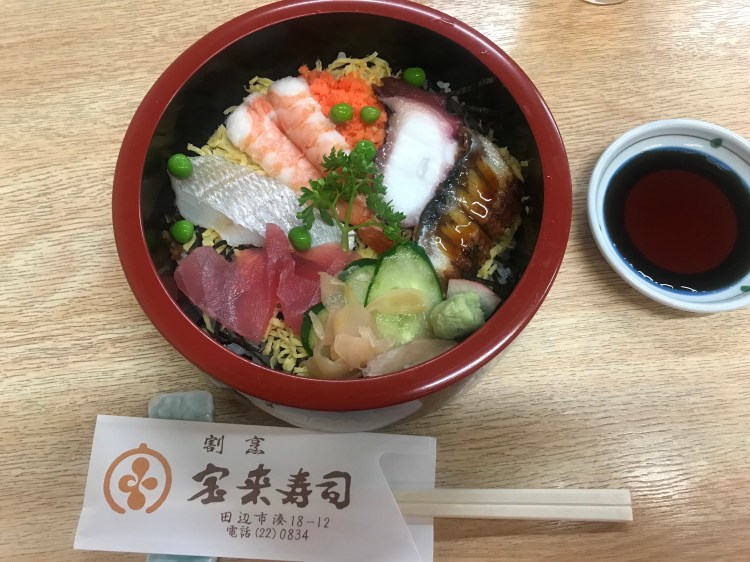
1. Chirashi – Tanabe City
2. Traditional Dinner – Kawayu Onsen
3. Fish detail – Kawayu Onsen
4. Shiso ice tea and Japanese snacks – Nakahechi route
5. Bento lunch box – Nakahechi route
6. Eggs boiled in hot spring water – Yunomine Onsen
7. Shabu Shabu with hot spring water – Yunomine Onsen
8. Sashimi – Yunomine Onsen
9. Udon – Kii Katsuura
10. Sake – Ise
11. Fish – Ise
Join my mailing list to receive updates & more about Walking in Japan
By clicking submit, you agree to share your email address with the site owner to receive updates.
Use the unsubscribe link in those emails to opt out at any time.
 Walking in Japan